
Hard Assets. Productive Land. Generational Stability.
Farmland has historically served as one of the most resilient asset classes — providing income, inflation protection, and long-term capital preservation.
As global food demand rises and arable land remains finite, agricultural assets offer durable value backed by necessity.
BizParkway sources institutional-grade farmland and agricultural investments designed for long-term wealth preservation and steady yield.

Why Farmland?
- Finite Supply of Arable Land
- Global Food Demand Growth
- Inflation Hedge
- Low Correlation to Equity Markets
- Stable Long-Term Appreciation
- Operating Income via Lease or Crop Share
Land does not disappear.
Food demand does not vanish.
Farmland operates at the intersection of both.
Investment Structures
We provide access to:
• Row crop farmland (corn, soy, wheat)
• Permanent crops (orchards, vineyards)
• Specialty agricultural operations
• Lease-to-operator farmland
• Managed agricultural partnerships
• Conservation and timberland plays
Each asset is evaluated based on:
- Soil quality ratings
- Water access and irrigation rights
- Historical yield performance
- Lease stability
- Commodity exposure
- Long-term land appreciation trends
We focus on productive capacity — not just acreage.
Target Regions
We source farmland in strong agricultural corridors including:
- Iowa
- Illinois
- Nebraska
- Texas
- California
Region selection is driven by water access, soil ratings, commodity infrastructure, and tenant demand.
Who This Is For
✔ Long-term capital preservation investors
✔ Family offices
✔ Inflation-conscious allocators
✔ Investors seeking low volatility exposure
✔ Generational wealth builders
What BizParkway Handles
- Land sourcing & due diligence
- Operator lease vetting
- Yield modeling
- Commodity risk analysis
- Water rights review
- Exit positioning strategy
We structure farmland investments with durability as the core principle.
Capital Range
Farmland investments typically range from:
- $500,000 – $10,000,000+ depending on acreage and crop type
- Partnership structures available for larger allocations
Farmland is not speculation.
It is controlled productivity backed by global necessity.
If you’d like, I can now:
- Create a family-office ultra-conservative tone version
- Build a “Farmland vs Commercial Real Estate” comparison
- Draft a timberland-specific sub-page
- Or structure an Agricultural Investment Fund concept under BizParkway
This vertical gives BizParkway depth and seriousness, v.
7. Development Partnerships
Good.
This one must feel disciplined, structured, risk-aware, capital-aligned — not “we’re building something cool.”
Development is higher risk. So the tone should reflect control, underwriting, and sponsor vetting.
Development Partnerships
Strategic Equity in Ground-Up & Value-Add Projects
Real estate development offers the potential for enhanced returns through structured execution, capital discipline, and strategic positioning.
BizParkway sources and structures development partnerships with experienced sponsors across select high-growth markets.
We focus on projects where risk is understood, mitigated, and priced appropriately.
Why Development Partnerships?
- Higher Return Potential vs Stabilized Assets
- Value Creation Through Execution
- Capital Stack Structuring Opportunities
- Targeted Market Positioning
- Defined Exit Strategies
Returns are driven by disciplined underwriting, cost control, absorption rates, and sponsor execution — not speculation.
Project Types We Source
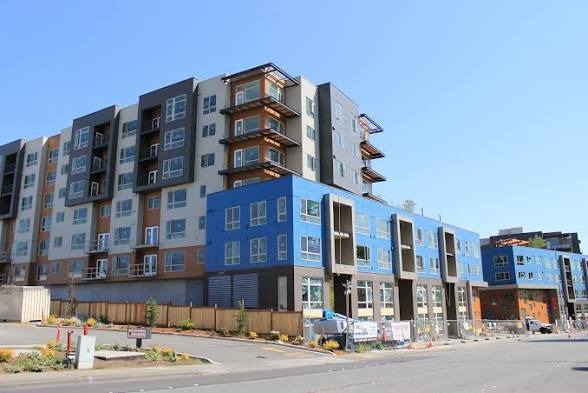
• Ground-up multifamily developments
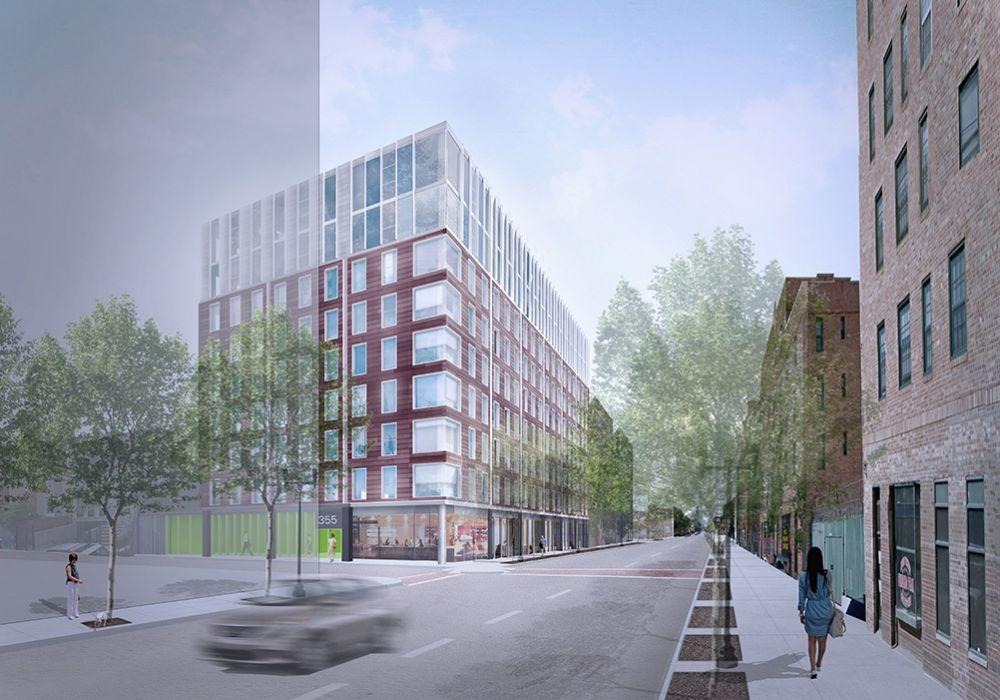
• Mixed-use urban projects
• Boutique hospitality builds
• Build-to-rent communities
• Industrial / warehouse developments
• Land entitlement plays
Each opportunity is evaluated on:
- Sponsor track record
- Market supply/demand imbalance
- Construction cost assumptions
- Capital stack structure
- Debt terms
- Projected IRR and equity multiple
- Exit valuation sensitivity
We model downside first — upside second.
Target Markets
We selectively pursue projects in growth corridors including:
- Atlanta
- Dallas
- Tampa
- Phoenix
- Nashville
Markets are selected based on population growth, absorption rates, infrastructure expansion, and capital inflows.
Capital Structures
Development partnerships may include:
- Preferred equity placements
- Joint venture equity
- Mezzanine capital
- Sponsor co-invest structures
Investors participate in structured capital stacks aligned with risk tolerance.
Who This Is For
✔ Experienced real estate investors
✔ Capital partners seeking higher IRR potential
✔ Family offices
✔ Operators expanding development exposure
✔ Accredited investors
What BizParkway Handles
- Sponsor vetting
- Project underwriting
- Capital stack review
- Risk modeling
- Legal coordination
- Exit strategy alignment
We prioritize sponsor alignment, conservative projections, and disciplined execution.
Capital Range
Development equity placements typically range from:
- $500,000 – $20,000,000+
- Multi-investor structures available for larger projects